Research Experience
The BJU Biology community is engaged in research that is anchored in truth, mentored in wisdom, and driven by purpose to understand creation, solve problems, and develop solutions for the future.
Research opportunities are available for students in all concentrations. All Biology students carry out a capstone research project in their area of interest, typically during both semesters of their senior year. Additional research courses are available through summer programs and internships. These opportunities encourage faculty and student collaboration and partnerships with local industry and agency leaders. Here are just a few of the ongoing research projects within the Biology Department:
Ancient DNA Research
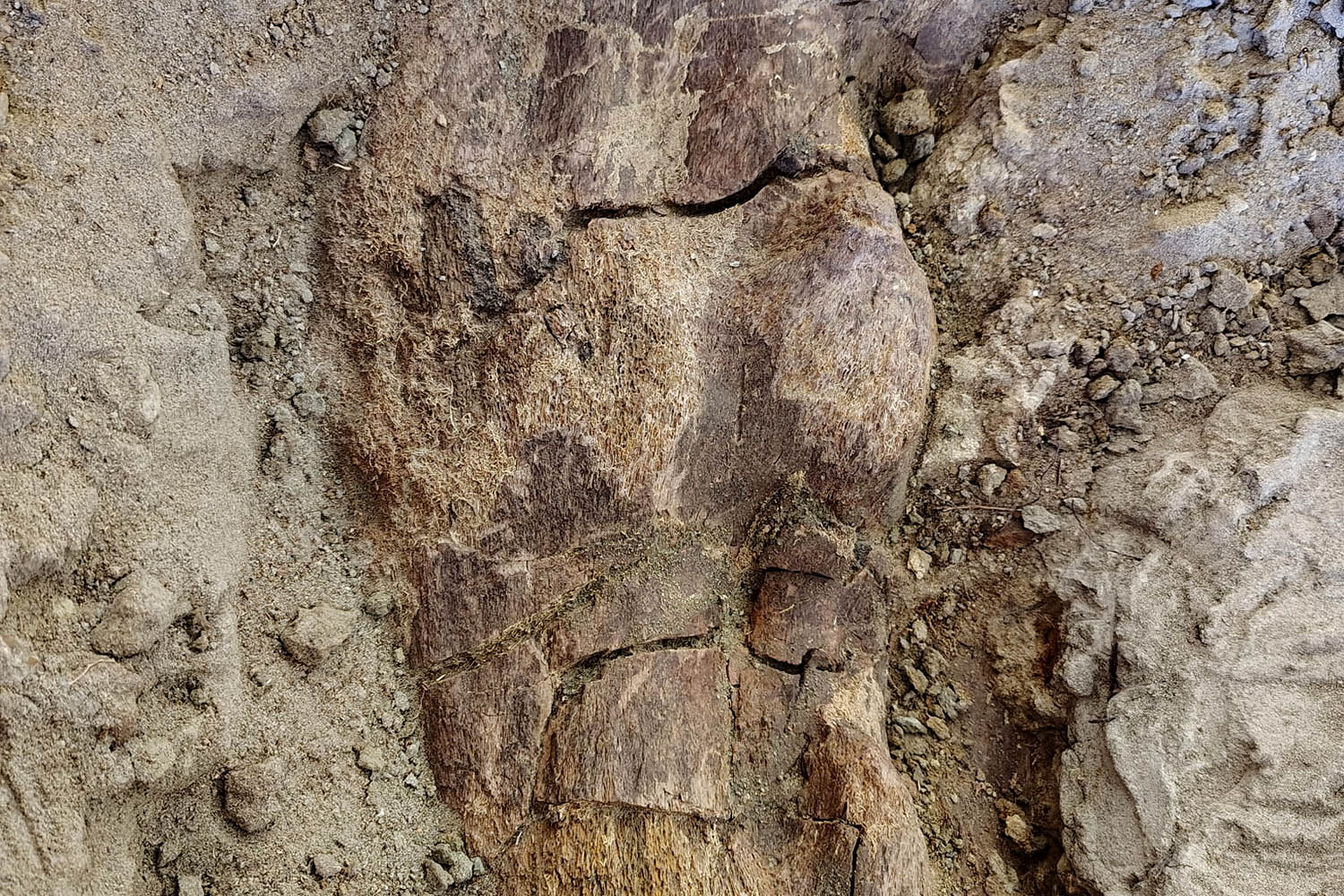
Researchers are unlocking the secrets buried in fossils, bones, microbes, and sediments. From field work of paleontology to precision of genomic sequencing, students are helping us develop flood models, explore the composition of fossils at cellular and molecular levels, and bridge the past with modern science and bioengineering.
Principal Investigators: Rebecca Garcia, PhD
Grant Support: Private funding
Publications/Presentations:
- Nicklas, N., Garcia, R., and Jeanson, N. (2024). Analysis of Middle Eastern Genetic Lineages Through the Y-Chromosome. [Podium by mentee, Noah Nicklas]. Presented July 26, 2024 at the Creation Research Society Annual Conference, Hebron, KY.
Passion Flower Research
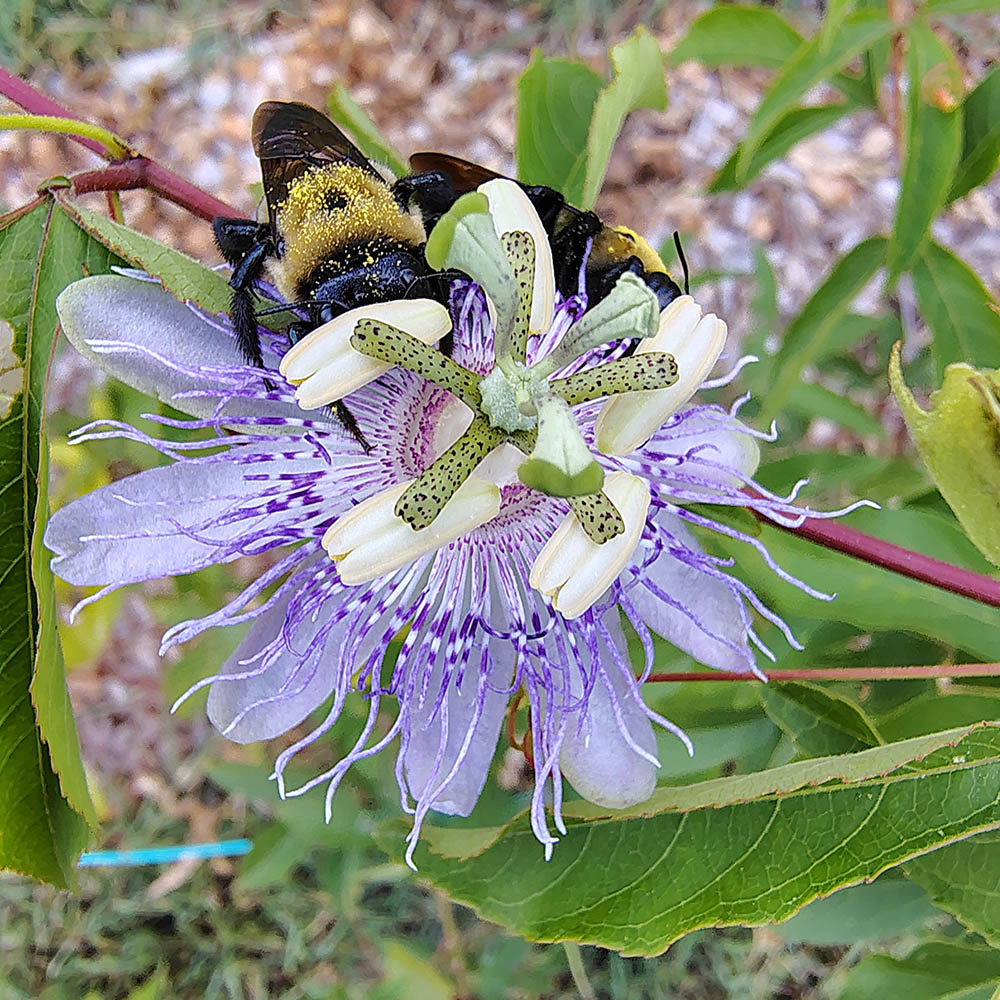
Researchers are exploring characteristics of the native plant Passiflora incarnata to understand its genomic history related to domestication, commercialization, breeding, and hybridization. Students are involved in a) plant sequencing, population genetics, and bioinformatic analysis; b) controlled pollination and cultivation to explore traits, plant physiology, and breeding skills; c) horticulture techniques to develop a hybrid cultivar; d) medicinal properties against parasites and cancer
Principal Investigators: David McKinney, PhD; Rebecca Garcia, PhD; Timothy Tittiris, PhD
Grant Support: Greater Greenville Master Gardener Association, Private funding
Zebrafish Genetics and Developmental Toxicology Research
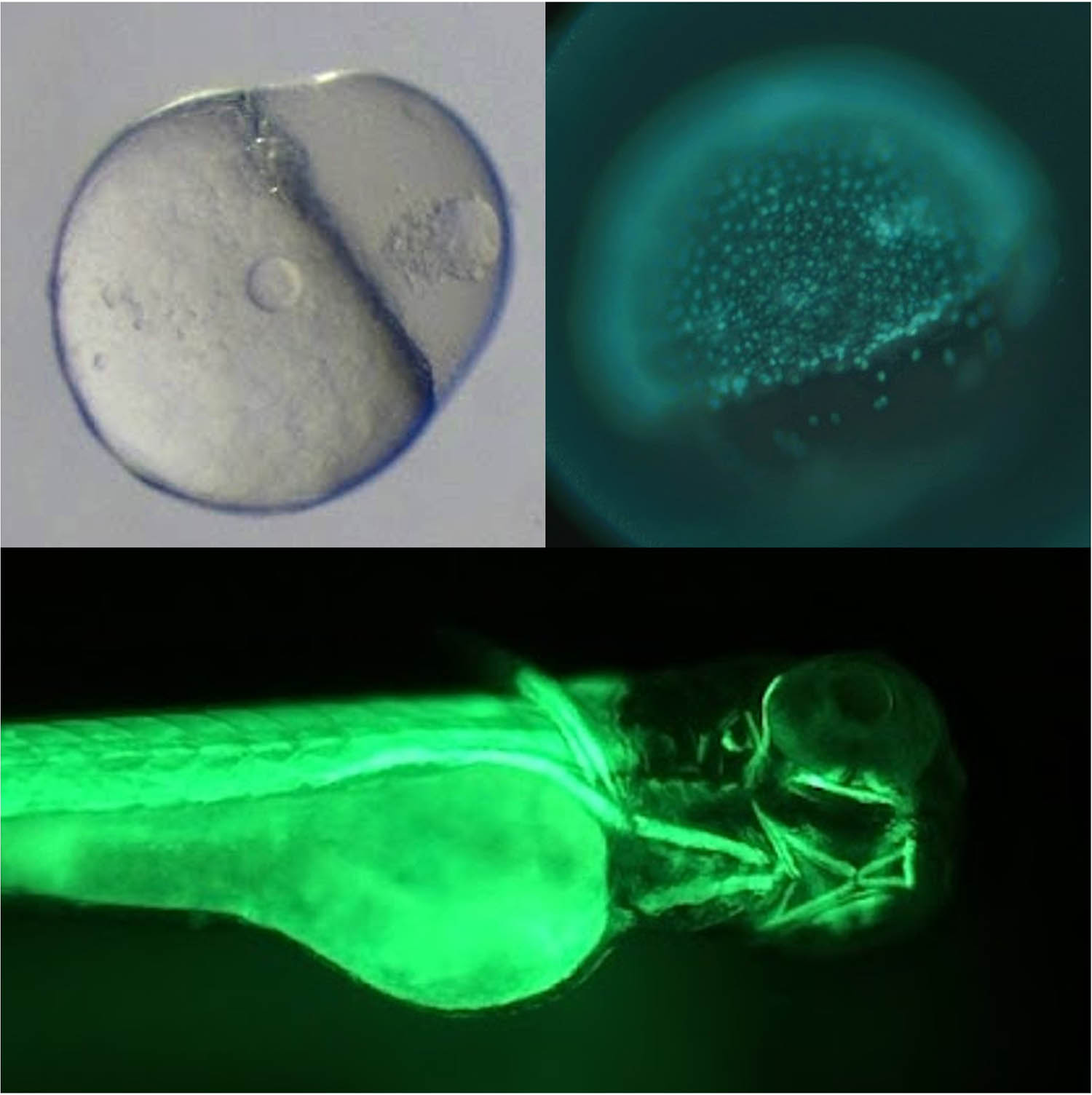
Researchers are carrying out multiple projects using zebrafish (Danio rerio) as a model for studying embryonic development. A major highlight was a publication describing a novel set of craniofacial defects caused by high exposure to acetaminophen. Since then, the project has expanded its focus to examining which specific metabolite(s) are directly responsible for the defects. In a separate project, students discovered some fascinating defects in early embryonic development in a popular variety of genetically modified zebrafish. To understand the possible causes, we are carefully characterizing their embryonic development while also sequencing their genome to identify which gene(s) may be disrupted. Students involved in these projects are employing techniques such as fluorescence microscopy, live imaging, PCR, genome sequencing, and a variety of cellular and developmental assays.
Principal Investigators: Derrick Glasco, PhD
Grant Support: Private funding
Publication/Presentations:
- Glasco, D. M., Wang, Z., Kang, S., & Funkhouser, A. T. (2022). Acetaminophen disrupts the development of pharyngeal arch-derived cartilage and muscle in zebrafish. Journal of Developmental Biology 10(3):30. https://doi.org/10.3390/jdb10030030
Biodiversity Research
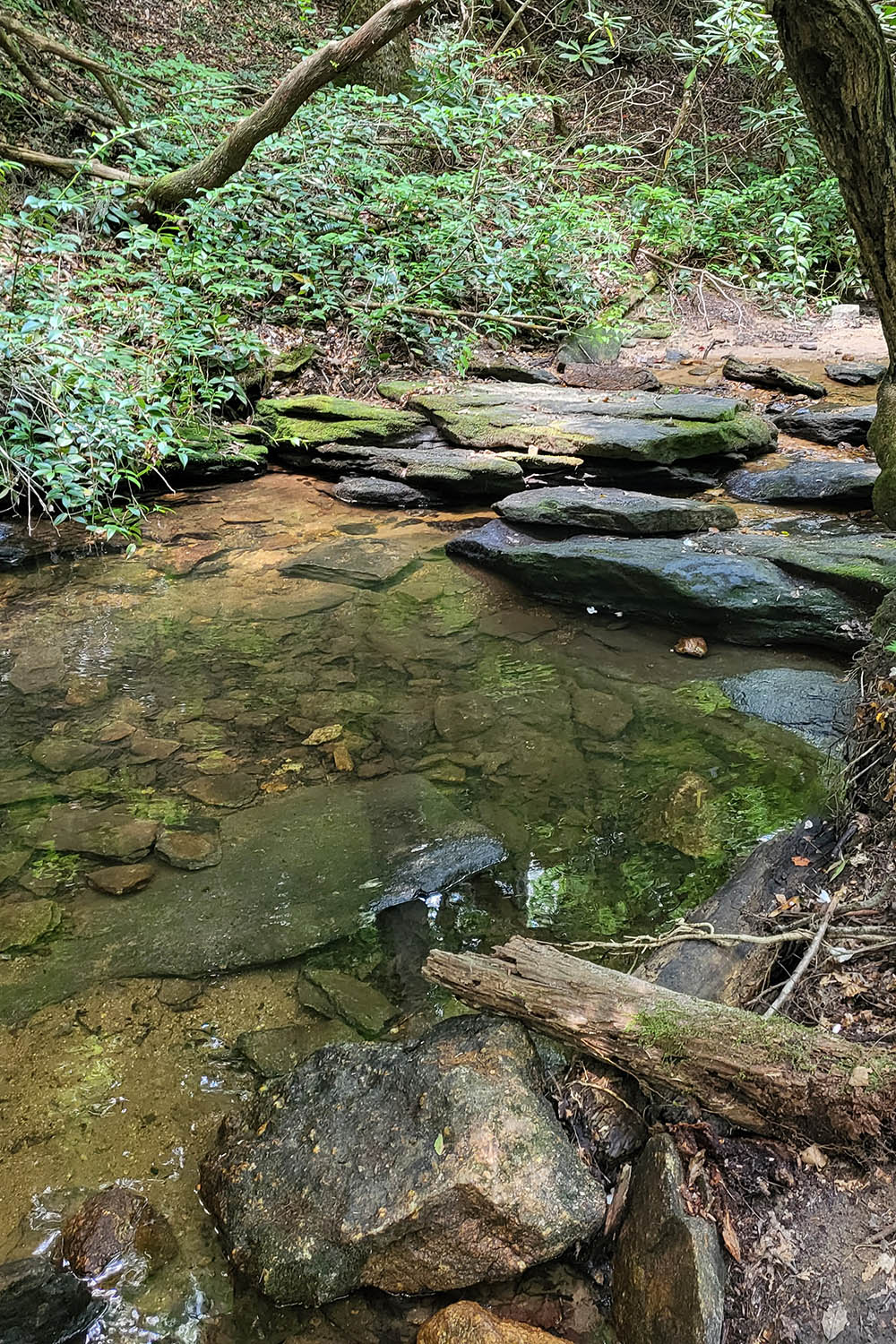
Researchers are studying effects of population and natural disasters on the environment and biodiversity of upstate SC. Students are involved in:
- stream surveys using the Qualitative Habitat Evaluation Index along with Index of Biotic Integrity to monitor stream health
- vector surveillance of mosquitos for infectious disease
- water and soil quality analysis
- fish species and habitat studies
- vegetation and macroinvertebrate studies to monitor invasive populations and native plant restoration
- studying the effects of hurricane and fire on land and underwater ecosystems
- environmental engineering and bioremediation
Principal Investigators: Rebecca Garcia, PhD; Chris Carmichael, PhD; David McKinney, PhD; David Gardenghi, PhD; Bill Lovegrove, PhD
Grant Support: Private funding
Cancer and Infectious Disease Research
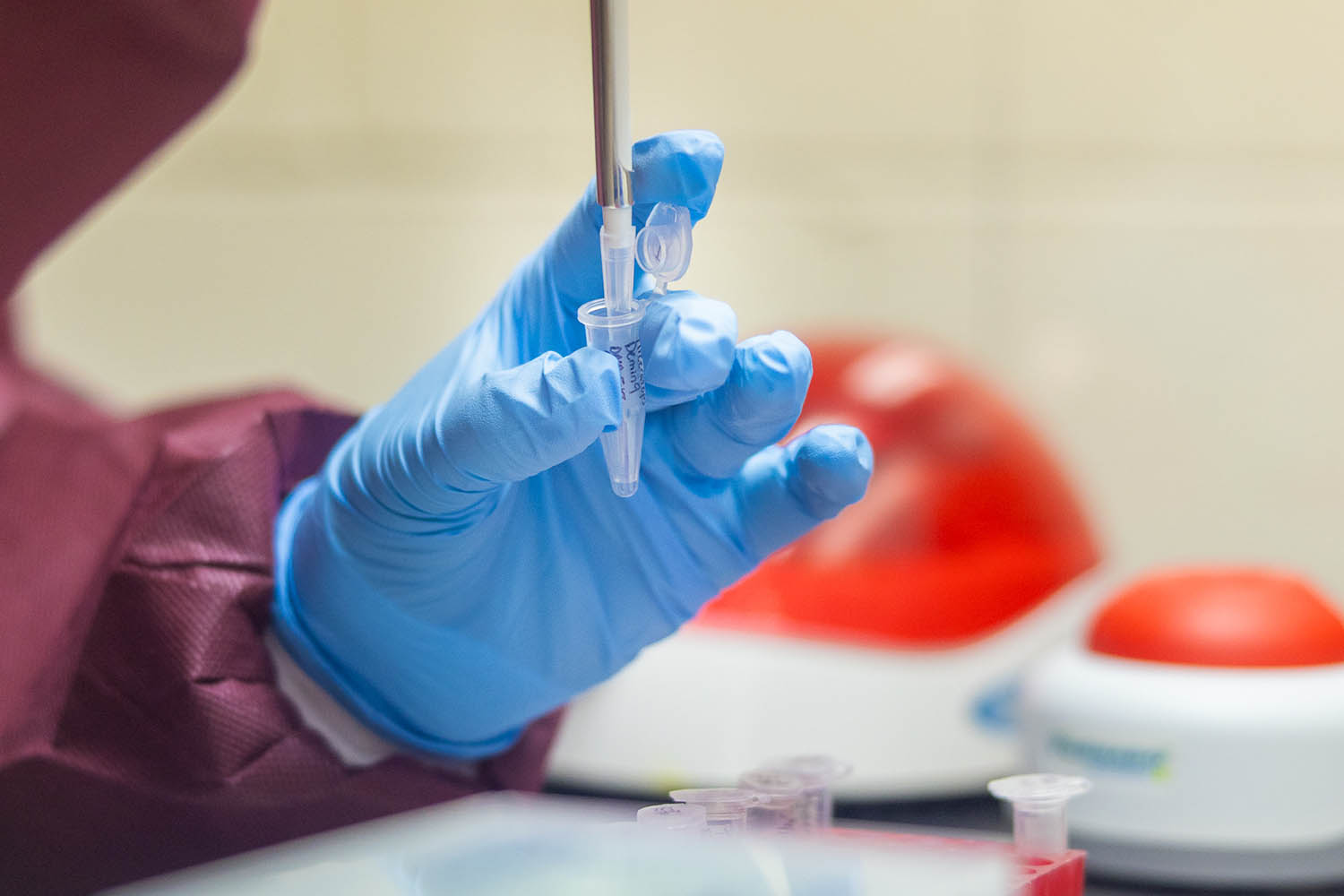
Researchers are at the intersection of biology and engineering, studying the genomic mechanisms of cancer and infectious diseases to develop cutting-edge diagnostic technologies. Students involved in these projects learn advanced bioinformatics applications, bioengineering design process, and techniques in cell culture, blotting, real time PCR, sequencing, and statistical analysis. The Research Immersion for Undergraduates Summer Program extends this opportunity for students to complete 8 weeks of intensive hands-on research over the summer. On-going projects include:
Synergistic Pathways of Cancer and Microbes
Researchers are exploring adenocarcinoma cell response to E.coli and other bacteria that produce toxins. This study helps us understand synergistic genomic pathways at work between cancer cells and bacteria, which could lead to potential drug delivery models or new diagnostic testing.
Principal Investigator: Rebecca Garcia, PhD
Grant Support: private funding
Publications/Presentations:
- Heaton, L., Figard, S., and Garcia, R.A. (2024, poster). Genotoxic Producing Escherichia coli Protects and Promotes Breast Adenocarcinoma. Presented at the Association for Diagnostics & Laboratory Medicine, Chicago, IL.
Malaria Research
Students collaborate with a local biotechnology company to design a molecular test that identifies 5 species of Plasmodium known to cause malaria infection in humans. Students were involved in the verification and validation of the assay and continue to study and design technology that would allow for detection of Plasmodium from unique samples in early infectious or latent stages. We are currently expanding research in gametocyte testing for speciation and transmission.
Principal Investigator: Rebecca Garcia, PhD
Grant Support: SCRA Academic Matching Grant, Bosem Technologies, private funding
Publications/Presentations:
- Campos, S., Ybarra, M., Madeti, J., & Garcia, R. A. (2023). Advances in Malaria Testing: Screening and Identification of Carriers from Saliva. J Endocrinol Reprod, 27(3).